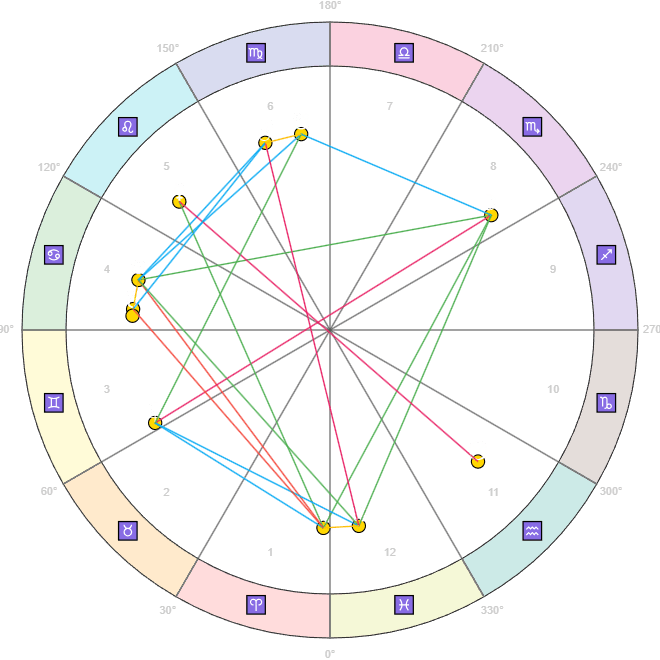
Horochan Birth Chart Free
Get your free birth chart within seconds

Horochan
Decoding Your Destiny: A Comprehensive Guide to Vedic Astrology Birth Charts
Have you ever looked up at the stars and wondered if they held the key to understanding yourself? Vedic astrology, also known as Jyotisha, offers a profound and intricate system for interpreting the celestial influences at the time of your birth. Your Vedic astrology birth chart, or Kundli, is a snapshot of the sky at the precise moment you were born, providing a unique cosmic blueprint of your life's potential.
What is a Vedic Astrology Birth Chart?
Unlike Western astrology, which primarily uses the Tropical zodiac, Vedic astrology employs the Sidereal zodiac, which accounts for the Earth's precession. This difference results in a significant shift in planetary positions, offering a more nuanced and accurate reading for many.
Your birth chart is divided into twelve houses, each representing different areas of your life, such as career, relationships, family, and health. The placement of planets in these houses, along with their relationships to each other, reveals your strengths, weaknesses, challenges, and opportunities. Understanding these placements is crucial for gaining a deeper understanding of yourself and your life path. Curious to know more? Visit Horochan to learn about personalized Vedic astrology readings.
The Key Elements of a Vedic Astrology Birth Chart
Let's break down the essential components of a Vedic astrology birth chart:
- Ascendant (Lagna): The Ascendant, or rising sign, is the zodiac sign that was rising on the eastern horizon at the time of your birth. It is considered the most important point in your chart as it represents your personality, physical appearance, and overall approach to life. Think of it as the mask you wear to the world.
- Planets (Grahas): The nine planets in Vedic astrology – Sun, Moon, Mars, Mercury, Jupiter, Venus, Saturn, Rahu, and Ketu – each represent different energies and influences. Their positions in the houses and their aspects (relationships) to each other determine how these energies manifest in your life. For example, a strong Jupiter in the 10th house (career) might indicate success and recognition in your profession.
- Houses (Bhavas): As mentioned earlier, the twelve houses represent different areas of life. The first house represents self, the second house represents wealth and family, the third house represents siblings and communication, and so on. Understanding which planets occupy which houses is crucial for interpreting your chart.
- Nakshatras (Lunar Mansions): Vedic astrology also utilizes 27 Nakshatras, or lunar mansions, which are divisions of the zodiac based on the Moon's position. Each Nakshatra has its own unique characteristics and influences, adding another layer of detail to your birth chart reading. Your Moon's Nakshatra, in particular, reveals a lot about your emotional nature and inner self.
- Dashas (Planetary Periods): Dashas are planetary periods that indicate when specific planets will exert a stronger influence on your life. These periods can last for varying lengths of time and can bring about significant changes and opportunities. Understanding your Dasha periods can help you anticipate and prepare for what's to come.
Interpreting Your Vedic Astrology Birth Chart: A Step-by-Step Guide
While a professional Vedic astrologer is best equipped to provide a comprehensive reading, you can start by understanding the basics. Here's a step-by-step guide to help you interpret your own chart:
- Determine Your Ascendant: Use an online Vedic astrology calculator or consult an astrologer to determine your Ascendant. This will be the foundation of your chart interpretation.
- Identify Planetary Placements: Note the positions of the planets in each house. Pay attention to any planets that are particularly strong or weak, based on their sign and house placement.
- Analyze House Lords: Each house is ruled by a planet. For example, if your Ascendant is Aries, Mars rules your first house. The placement of the house lord is crucial for understanding the overall influence of that house.
- Examine Planetary Aspects: Planets form aspects to each other, which are angles that indicate the nature of their relationship. Some aspects are considered beneficial (e.g., conjunctions, trines), while others are considered challenging (e.g., squares, oppositions).
- Consider Nakshatras: Determine the Nakshatra in which your Moon is placed. Research the characteristics of that Nakshatra to gain insights into your emotional nature.
- Understand Dasha Periods: Identify which Dasha period you are currently in. Research the planet ruling that period and how it might influence your life.
Benefits of Understanding Your Vedic Astrology Birth Chart
Unlocking the secrets of your Vedic astrology birth chart can offer numerous benefits:
- Self-Awareness: Gain a deeper understanding of your strengths, weaknesses, and personality traits.
- Relationship Insights: Understand your compatibility with others and navigate your relationships with greater awareness.
- Career Guidance: Identify your career path and make informed decisions about your professional life.
- Life Purpose: Discover your unique purpose and live a more fulfilling life.
- Challenge Mitigation: Anticipate and prepare for potential challenges and obstacles.
- Personal Growth: Use the insights from your chart to overcome limiting beliefs and achieve your full potential.
Where to Find a Vedic Astrology Birth Chart
There are many online resources that offer free Vedic astrology birth chart calculators. Simply enter your birth date, time, and place, and the calculator will generate your chart. However, remember that these charts are just a starting point. A professional Vedic astrologer can provide a much more detailed and personalized reading. Looking for an expert? Discover talented Vedic astrologers at Horochan.
Common Misconceptions About Vedic Astrology
It's important to address some common misconceptions about Vedic astrology:
- Astrology is not fortune-telling: While astrology can offer insights into potential future events, it is not about predicting the future with certainty. It is about understanding the energies and influences that are at play in your life.
- Astrology is not a religion: Vedic astrology is a science that uses mathematical calculations and observations of celestial bodies to interpret their influence on human affairs.
- Astrology is not a substitute for free will: You always have the power to make your own choices and shape your own destiny. Astrology simply provides a framework for understanding the potential consequences of your actions.
Conclusion: Embrace the Wisdom of the Stars
Your Vedic astrology birth chart is a powerful tool for self-discovery and personal growth. By understanding the planetary influences and their impact on your life, you can gain valuable insights into your strengths, weaknesses, and potential. Embrace the wisdom of the stars and use it to navigate your destiny with clarity and purpose. Whether you choose to explore your chart on your own or consult with a professional astrologer, the journey of self-discovery through Vedic astrology is a rewarding and transformative experience.