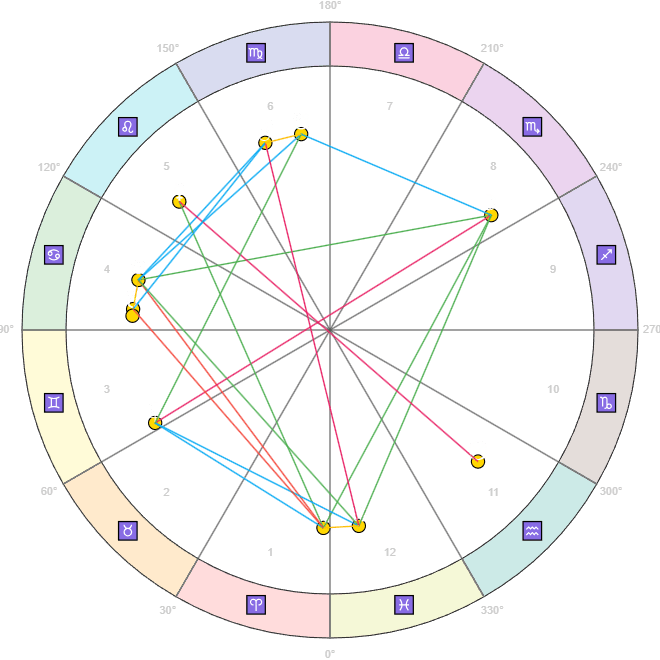
Horochan Birth Chart Free
Get your free birth chart within seconds

Horochan
Unlocking Your Destiny: A Comprehensive Guide to Reading Your Vedic Astrology Birth Chart
Have you ever wondered what the stars have in store for you? Vedic Astrology, also known as Jyotish, is an ancient Indian system that offers a profound understanding of your life's path, personality, and potential. At the heart of this system lies the birth chart, a celestial snapshot taken at the moment of your birth. This guide will walk you through the essentials of reading your Vedic Astrology birth chart, empowering you to unlock the secrets it holds.
What is a Vedic Astrology Birth Chart?
Your Vedic Astrology birth chart, or Kundli, is a map of the sky at the precise time and location of your birth. It depicts the positions of the planets (Grahas), the signs (Rashis), and the houses (Bhavas) – all crucial elements that interact to shape your unique destiny. Unlike Western Astrology, Vedic Astrology uses the sidereal zodiac, which is more aligned with the actual positions of the constellations.
The Key Components of a Vedic Astrology Birth Chart
Before diving into interpretation, it’s important to understand the key components of your birth chart:
1. The Planets (Grahas)
In Vedic Astrology, planets are not just celestial bodies; they are powerful forces that influence different aspects of your life. The nine primary planets are:
- Sun (Surya): Represents your soul, vitality, ego, and leadership qualities.
- Moon (Chandra): Symbolizes your mind, emotions, intuition, and nurturing abilities.
- Mars (Mangala): Signifies courage, energy, passion, aggression, and determination.
- Mercury (Budha): Represents intellect, communication, learning, and analytical skills.
- Jupiter (Guru): Signifies wisdom, knowledge, fortune, optimism, and spirituality.
- Venus (Shukra): Represents love, beauty, relationships, creativity, and material comforts.
- Saturn (Shani): Signifies discipline, responsibility, hard work, limitations, and longevity.
- Rahu (North Node): Represents desires, obsessions, foreign influences, and unconventionality.
- Ketu (South Node): Represents past life karma, detachment, spiritual inclinations, and sudden events.
2. The Signs (Rashis)
The zodiac is divided into twelve signs, each spanning 30 degrees. These signs represent different archetypes and qualities that influence the planets placed within them. The twelve Rashis are:
- Aries (Mesha): Fire sign, ruled by Mars. Represents courage, initiative, and independence.
- Taurus (Vrishabha): Earth sign, ruled by Venus. Represents stability, sensuality, and material possessions.
- Gemini (Mithuna): Air sign, ruled by Mercury. Represents communication, intellect, and adaptability.
- Cancer (Kataka): Water sign, ruled by the Moon. Represents emotions, nurturing, and home life.
- Leo (Simha): Fire sign, ruled by the Sun. Represents creativity, leadership, and self-expression.
- Virgo (Kanya): Earth sign, ruled by Mercury. Represents analysis, detail, and practicality.
- Libra (Tula): Air sign, ruled by Venus. Represents balance, harmony, and relationships.
- Scorpio (Vrischika): Water sign, ruled by Mars. Represents intensity, transformation, and secrets.
- Sagittarius (Dhanu): Fire sign, ruled by Jupiter. Represents optimism, exploration, and spirituality.
- Capricorn (Makara): Earth sign, ruled by Saturn. Represents ambition, discipline, and responsibility.
- Aquarius (Kumbha): Air sign, ruled by Saturn. Represents innovation, humanitarianism, and unconventionality.
- Pisces (Meena): Water sign, ruled by Jupiter. Represents intuition, compassion, and spirituality.
3. The Houses (Bhavas)
The birth chart is also divided into twelve houses, each representing different areas of life. Understanding the houses is crucial for interpreting the impact of the planets and signs. Here's a brief overview of what each house signifies:
- 1st House (Ascendant/Lagna): Represents your self, personality, physical appearance, and overall vitality.
- 2nd House: Represents wealth, family, speech, and values.
- 3rd House: Represents siblings, communication, courage, and short journeys.
- 4th House: Represents home, mother, happiness, and property.
- 5th House: Represents children, creativity, romance, and intelligence.
- 6th House: Represents health, enemies, obstacles, and service.
- 7th House: Represents marriage, partnerships, and relationships.
- 8th House: Represents longevity, transformation, occult, and sudden events.
- 9th House: Represents fortune, religion, philosophy, and long journeys.
- 10th House: Represents career, reputation, and public image.
- 11th House: Represents gains, friendships, and aspirations.
- 12th House: Represents expenses, losses, spirituality, and liberation.
Interpreting Your Vedic Astrology Birth Chart: A Step-by-Step Guide
Now that you understand the basic components, let's dive into the process of interpreting your birth chart:
1. Identify Your Ascendant (Lagna)
The Ascendant, or Lagna, is the sign that was rising on the eastern horizon at the time of your birth. It's the most important point in your chart, as it shapes your personality and how you interact with the world. To find your Ascendant, you'll need your birth date, time, and location. Many online Vedic Astrology calculators can help you determine your Ascendant sign.
2. Analyze the Planets in Each House
Once you know your Ascendant, examine which planets are placed in each house. The house a planet occupies influences the areas of life that planet will affect. For example, if Mars is in your 7th house, you might experience conflicts in your marriage or partnerships.
3. Consider the Planetary Aspects
Planets not only influence the house they occupy but also cast aspects (influences) on other houses and planets. In Vedic Astrology, aspects are determined by the planet's position relative to other planets. For example, Jupiter aspects the 5th, 7th, and 9th houses from its position, bringing blessings and opportunities to those areas of life.
4. Evaluate Planetary Dignity
The dignity of a planet refers to its strength and ability to produce positive results. A planet is considered strong when it's in its own sign (own house), exalted sign (highest dignity), or a friendly sign. Conversely, a planet is weak when it's debilitated (lowest dignity) or in an enemy sign. Strong planets generally bring positive results, while weak planets can create challenges.
5. Pay Attention to the Nakshatras (Lunar Mansions)
The Nakshatras are 27 lunar mansions that divide the zodiac. Each Nakshatra has its own unique energy and symbolism. Understanding the Nakshatra your Moon and other planets occupy can provide deeper insights into your personality and destiny.
Putting It All Together: Examples of Interpretation
Let's look at a few simple examples of how to interpret your birth chart:
- Example 1: If you have Venus in your 5th house in the sign of Libra, this suggests you are creative, romantic, and enjoy artistic pursuits. You may find happiness and fulfillment through your children or romantic relationships.
- Example 2: If you have Saturn in your 10th house in the sign of Capricorn, this indicates a strong work ethic, discipline, and a desire for recognition in your career. You may face challenges early in your career but will achieve success through hard work and perseverance.
- Example 3: If you have Rahu in your 1st house, you may be unconventional, ambitious, and drawn to foreign cultures. You might experience a strong desire for material success and may struggle with identity issues.
Where to Learn More About Vedic Astrology
This guide provides a basic introduction to reading your Vedic Astrology birth chart. There's much more to learn about this complex and fascinating system. Consider exploring the following resources:
- Books: There are many excellent books on Vedic Astrology, such as "Light on Life: An Introduction to the Astrology of India" by Hart de Fouw and Robert Svoboda.
- Online Courses: Several websites offer comprehensive courses on Vedic Astrology, providing in-depth knowledge and practical techniques.
- Astrologers: Consulting with a qualified Vedic Astrologer can provide personalized insights and guidance based on your unique birth chart. You can explore resources and connect with astrologers on websites like Horochan.com.
Final Thoughts
Reading your Vedic Astrology birth chart is a journey of self-discovery. By understanding the positions of the planets, signs, and houses, you can gain valuable insights into your strengths, weaknesses, and life's purpose. Embrace the wisdom of Vedic Astrology and use it to navigate your path with greater awareness and intention. Unlock your potential and understand your karmic blueprint with the insights offered at Horochan.com today.